
2026 Marketing Plan: Strategies for Business Growth
Creating a 2026 marketing plan takes more than repeating last year’s strategy or guessing what might work. I know that a winning marketing plan for 2026 needs to set clear goals, use real data, connect with the right audience, and adapt to new trends and technology - just like we did in 2025. It’s important to think about what has changed - because the marketing landscape in 2026 is shifting fast, from AI tools to new social media platforms.
I get this question every November: how can I build a plan for next year that will deliver real results and help my brand stand out in a crowded market? In this article, I’ll walk you through key steps and simple strategies to help make your 2026 marketing plan practical, flexible and set up for growth.
Developing a 2026 Marketing Plan
When I create a marketing plan for 2026, I focus on setting realistic goals, understanding new trends, knowing the target audience, and tracking progress using clear metrics. Making each step practical helps avoid wasted effort and supports business growth. So, let’s dive in and get started.
Setting Clear Marketing Objectives
The first thing I do is decide exactly what I want to achieve. Our marketing objectives need to be specific, measurable, achievable, relevant, and time-bound (SMART) - I teach this to my students and it always rings true for getting business thinking strategically, too. For 2026, I might want to increase website conversions by 20% or gain 2,000 new customers by the end of the year.
I write down each objective and match it to my business goals. If I want my brand to be more visible among young adults, I define what success looks like using numbers or percentages. I avoid vague goals like “grow my social media,” and instead aim to “increase Instagram followers by 15% by December 2026.”
This type of clarity helps me share my vision with my team and makes it easier to measure if I’m on track during the year.
Analyzing Market Trends and Consumer Insights
Understanding the market is key. In 2026, I will be using data from sources like industry reports, online analytics, and customer surveys. I look for changes in how people shop, what platforms they use and what they care about most.
Artificial intelligence, privacy rules, and shifts in digital platforms often change customer behaviour. For example, if more people are using voice search or shopping through social media apps, I focus my plan and budget in those areas. I also watch my competitors to see what they are doing differently and what seems to work well.
By combining recent data with my own research, I spot the trends that matter for my products or services. This helps me adapt quickly and stay relevant. For those of you curious about how AI is affecting your everyday marketing tools like Google, read more in our articles here.
Defining Target Audiences
Knowing exactly who I’m trying to reach is essential. I define my target audience using demographics and psychographics - age, location, interests and buying habits. I often build customer personas so I can see exactly what my ideal buyer wants and needs.
Sometimes I use tools like Google Analytics or social media native insights to find out which groups interact most with my brand. If I notice that high school students are responding best to my posts, I tailor my content and ads to them.
I also check for new or growing segments. Changing technology and attitudes often create fresh opportunities. The clearer I am on my audience, the more focused and effective my marketing efforts become.
Establishing Key Performance Metrics
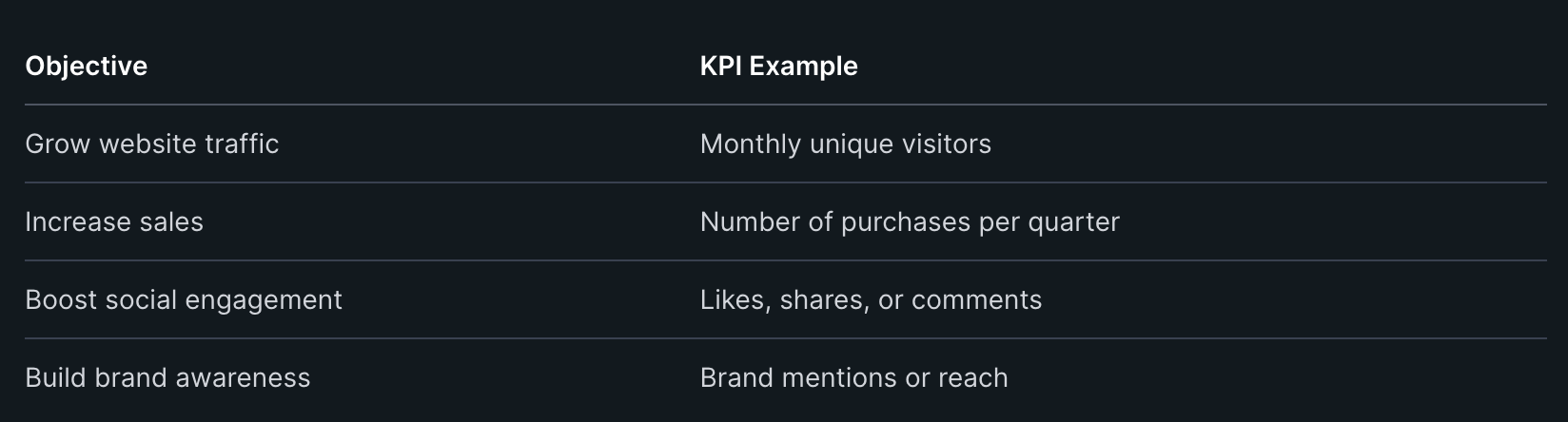
To measure my progress, I set up key performance indicators (KPIs) that link directly to my goals. I choose a few important metrics, such as:
Implementing 2026 Marketing Strategies
To build an effective marketing plan for 2026, I focus on clear channel selection, smart use of budget, a good mix of digital and traditional methods, and ongoing performance checks. Each area needs attention to detail to reach the right audience and get the best results.
Channel Selection and Media Planning
For 2026, I will be considering both digital channels—like social media, email, and search engines—and traditional media, such as print and TV. Social media platforms like TikTok and Instagram are still growing, especially with short video formats. At the same time, retail media networks are more important for reaching buyers when they are ready to act.
When planning media, I match my channel choices to my audience’s habits and preferences. I use data to see which channels drive the most engagement and sales. That lets me place ads and content where they will have the greatest impact.
A good media plan for 2026 balances brand awareness campaigns with direct-response activities. I also schedule creative work in advance, but keep room for last-minute changes based on campaign performance.
Budget Allocation and Resource Management
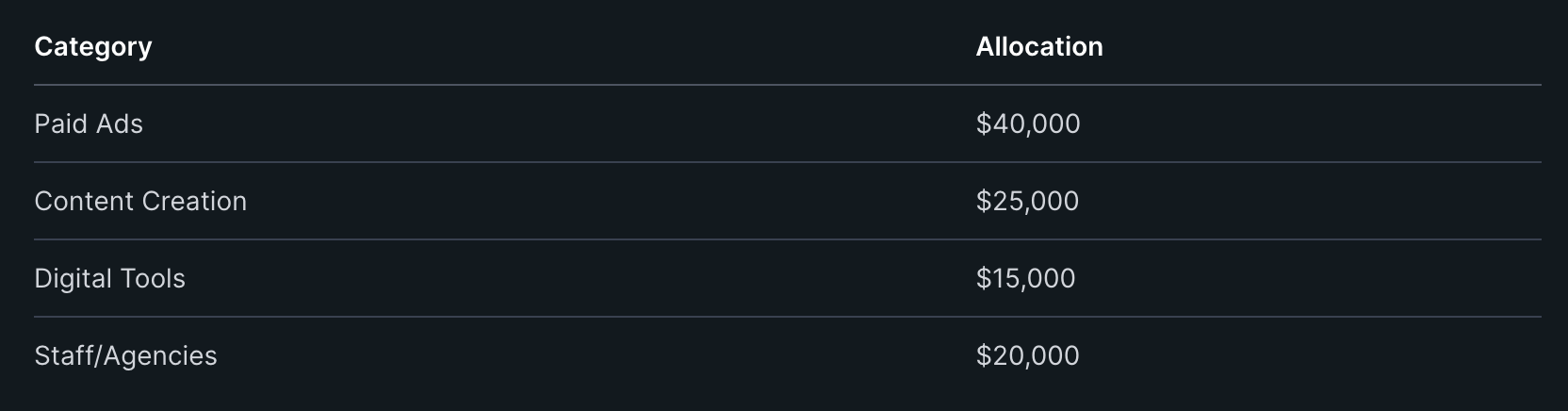
Budgeting in 2026 will mean using concrete data, not guessing. I break funding into clear groups: paid advertising, content production, tools, and staff. Here’s an example table showing how I might split a $100,000 budget:
Integrating Digital and Traditional Marketing
I don’t just pick digital or traditional marketing—I blend them. And no before you come for me, this is not an outdated approach in 2026. For example, I use online ads to build interest and reinforce that message with print or events. TV and radio still reach some groups who aren’t always online.
For digital, I lean on automation and personalization (typically through remarketing or nurture flows, depending on the medium). AI-powered tools help me deliver messages at the right time and place. On the traditional side, I use print, outdoor ads, and direct mail for local impact and lasting impressions.
Smooth integration keeps my brand message the same everywhere. I use one central calendar for all campaigns and make sure teams share information. This way, digital and traditional efforts boost each other.
Monitoring, Optimization, and Reporting
Once a campaign starts, I watch performance in real time. I focus on clear metrics like lead conversions, website visits, and customer lifetime value. Vanity metrics—such as likes and follows—take a back seat to numbers that show real business growth.
When I spot a weak area, I act fast. For example, if an ad group is underperforming, I shift budget or change the creative. I use dashboards for regular updates and share reports with my team each week.
Reporting helps me see what worked and what didn’t. I look for patterns across channels and adjust future plans based on those lessons. This approach keeps my marketing plan strong and able to handle changes during the year.
Frequently Asked Questions
In 2026, digital marketing continues to shift toward AI-driven personalization, privacy-focused practices, and multi-channel campaigns. Marketing strategies focus on adapting to new consumer habits, tighter data regulations, and technology that delivers better results with fewer resources.
What are the most effective digital marketing channels expected to dominate in 2026?
I see social media platforms that support short-form video and interactive content leading the way in digital marketing. Paid search, influencer partnerships, and email marketing with hyper-personalization also remain strong methods.
Streaming platforms and connected TV advertising offer new ways to reach audiences. I expect search engines to continue playing a vital role, but brands must adapt to changes in algorithms and user behaviour.
How can artificial intelligence be integrated into marketing strategies for 2026?
AI tools can help automate tasks like content generation, data analysis, and audience segmentation. I use AI-powered chatbots and recommendation engines to improve customer experiences.
Predictive analytics and AI-driven ad targeting enable smarter spending on marketing budgets. AI also helps with real-time personalization for emails, websites, and product suggestions.
What role will influencer marketing play in the overall marketing ecosystem for 2026?
In 2026, I anticipate that influencer marketing will be more focused on long-term partnerships and authentic content. Companies will rely on micro-influencers and niche personalities to reach specific target audiences.
Data-driven performance measurement will be necessary for tracking ROI. There's a strong demand for transparent influencer relationships and genuine audience engagement rather than just follower counts.
Which consumer behavior trends are predicted to significantly impact marketing strategies in 2026?
I notice consumers demanding greater transparency about products and values. Many people want seamless digital buying experiences, quick responses, and personalized recommendations.
There's a wider adoption of voice and visual search. I also monitor the growing interest in sustainability, ethical sourcing, and brands that take clear stances on social issues.
How should companies prepare for data privacy and protection laws in their 2026 marketing plans?
I stay updated on local and global data privacy regulations, like GDPR and CCPA updates, which can affect how I collect and store user data. Companies need clear privacy policies, strong consent processes, and transparent data use messaging.
Investing in secure data handling tools and staff training is essential. I recommend reviewing how data is gathered, used, and shared to stay compliant and build consumer trust.
What are some scalable strategies for content marketing for the year 2026?
My scalable strategies include creating reusable content formats, like video series or podcasts, which can be shared across different platforms. I automate content distribution using scheduling tools and AI-driven analytics to test what works best.
Focusing on user-generated content and community engagement offers more reach without extra workload. Repurposing successful material into different formats—such as infographics, social posts, or articles—helps make the most of every idea.
